
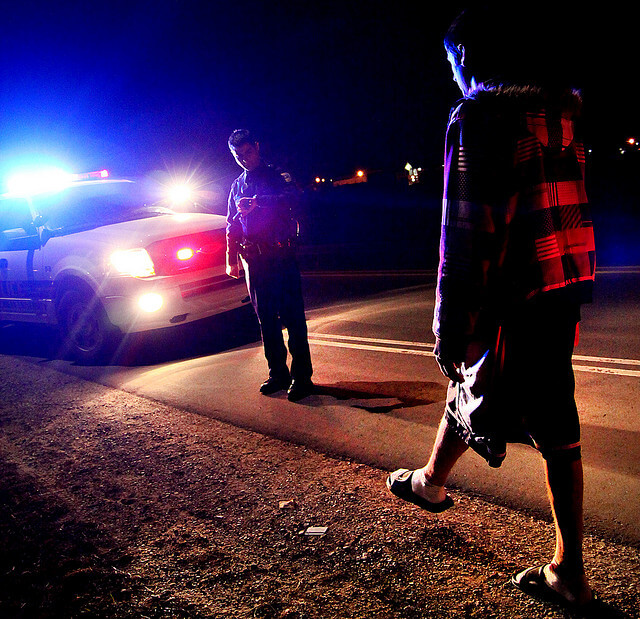
All About Field Sobriety Tests
One of the last things that drivers want to see while driving is a police car behind them with its lights flashing. However, it is a fact of life that happens every day. So long as police officers have probable cause to believe drivers are drinking and driving, they can pull them over and make them perform various field sobriety tests.
What Are Field Sobriety Tests?
The best way to define field sobriety tests is to explain their purpose. Basically, the purpose of these tests is to measure a person’s specific reflexes and/or responses that can become compromised after drinking alcohol. For example, when people drink excessively, their coordination and ability to follow directions are often adversely affected. Some tests can also measure blood alcohol content, or BAC.
Common Types of Tests
There are several different types of field sobriety tests that police officers can make drivers perform if they suspect they have been drinking and driving. While drivers can refuse to take these tests, it is essential to note that if they do refuse, they very well could be arrested. Some of the most common tests and brief descriptions of each can be found below.
- The Breathalyzer – When people drink, the alcohol is absorbed into their body, and one of the places where it ends up is in the lungs. A breathalyzer device can determine the amount of alcohol that is in the person’s body. While the legal standard that defined drunkenness was once a 0.10 BAC in the U.S., many states today have pushed the limit back to 0.08.
- Stand on One Leg – The purpose of this test is to measure the driver’s ability to maintain balance while standing on one leg. During this test, drivers are asked to place their hands to their sides, lift one leg and slowly count to a certain number. The police officer will take note if the person loses balance, los